By Walter Jobs, Technology writer and editor. Manufacturer sources and model scenarios reviewed 2 November 2026.
The Ryzen 7 5800X3D remains a platform worth assessing before replacing it. Compare the RX 9070 XT for a substantial graphics upgrade, the RTX 5070 Ti for NVIDIA-specific features or software, and the RX 9060 XT 16GB when a smaller purchase meets the goal. The correct GPU depends on what your present card fails to deliver, not on a rule that an older socket must be retired.
As an Amazon Associate we earn from qualifying purchases. This does not change the price you pay, and a commission never affects what we recommend. Full disclosure.
This page is for owners considering a graphics upgrade around the 5800X3D. It is not a recommendation to buy an entire AM4 platform at any price today. Existing ownership matters: keeping a working board, DDR4 and CPU can leave more of the upgrade budget available for the part causing the actual shortfall.
Start with the workload and the parts you can keep
| Manufacturer field | Published reference |
|---|---|
| CPU cores / threads | 8 / 16 |
| Socket / system memory | AM4 / DDR4 |
| L3 cache | 96 MB |
| CPU PCIe support | PCIe 4.0 |
| Default TDP | 105 W |
AMD’s 5800X3D information distinguishes this cache-rich processor from the standard 5800X. Do not treat the shared 5800 name as identical gaming behaviour. The effect of extra cache is game-dependent, and the GPU does not need to be replaced simply to match a generation label.
Write down your current card, display, settings and the scene where performance falls short. If the CPU-heavy frame-rate floor is already adequate, a GPU-only change deserves a comparison. If it is not, investigate the actual limit before assuming that both a new graphics card and AM5 are unavoidable.
Three GPU options for retaining AM4
| Candidate | Reason to compare it | Purchase check |
|---|---|---|
| Radeon RX 9070 XT | A larger graphics step while retaining AM4 | Check difficult game scenes before planning a platform replacement. Find offerson Amazon |
| GeForce RTX 5070 Ti | NVIDIA-specific software and feature requirements | Do not substitute standard RTX 5070 specifications. Find offerson Amazon |
| Radeon RX 9060 XT 16GB | A smaller purchase that meets the actual goal | A premium CPU does not obligate an equally expensive graphics card. Find offerson Amazon |
The shortlist is deliberately not a single “no bottleneck” winner. A lower-cost card can suit a moderate goal, while a larger graphics tier may be sensible for a more demanding display. The table below includes adjacent options so that the selected spend is compared with a smaller and larger alternative.
RX 9070 XT: make the graphics improvement do the work
The RX 9070 XT is the first larger graphics candidate to price when retaining this system. Review the official RX 9070 XT specification and then check the exact board’s length, thickness, connectors and power requirement. Your motherboard socket does not tell you whether a particular cooler fits the case.
Compare the gain over your existing graphics card at the settings you want. A higher tier may be useful for demanding graphics, but not every scene scales with more GPU resources. Busy simulations, competitive frame-rate targets and some game engines can still expose a processor limit. High resolution shifts the workload; it does not switch the CPU off.
RTX 5070 Ti: a different feature and application comparison
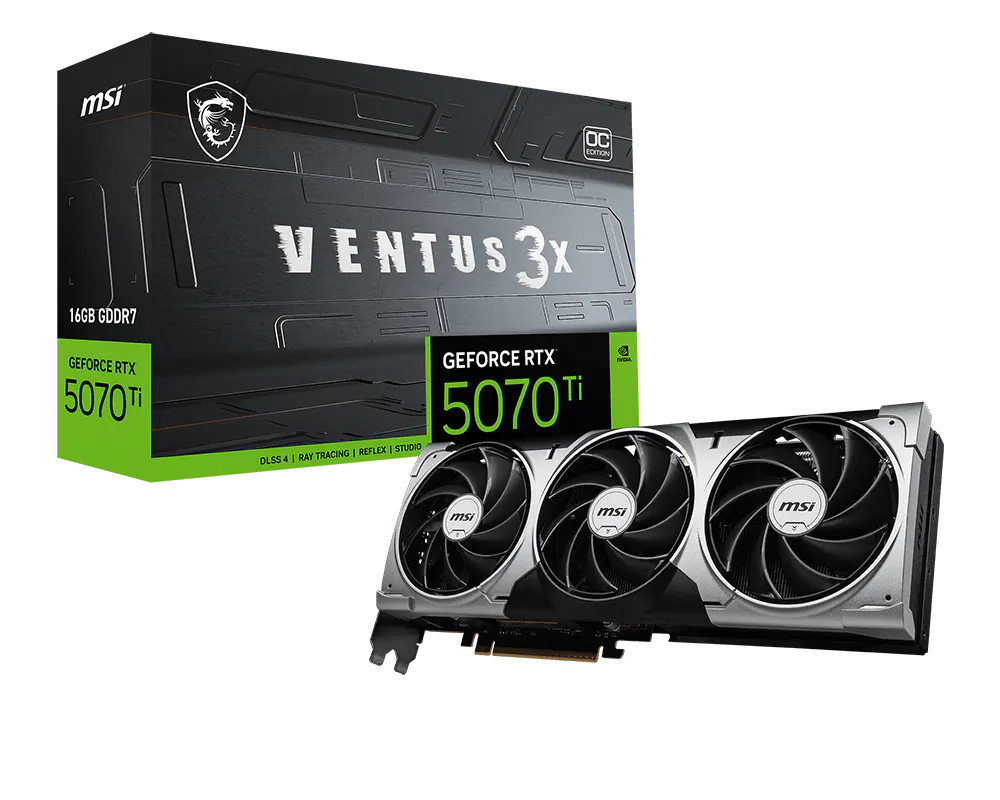
Consider the RTX 5070 Ti when your actual workload benefits from a supported NVIDIA feature or software path. Use the 5070 Ti specification, not the standard 5070 column. Confirm the relevant application’s support and consult measured tests for the work you intend to do.
Separate base rendering performance, upscaled output and frame generation in games. Generated-frame counters do not establish that the 5800X3D prepares unique game states at that rate. For a responsive experience, assess input latency and frame pacing as well as the number on the overlay. The generic model does not evaluate those qualities.
RX 9060 XT 16GB: spending less can be the correct match
The 16GB RX 9060 XT is the smaller-purchase candidate, particularly when the current GPU is much weaker and a modest display target is sufficient. Check the correct memory variant rather than treating an 8GB offer as the same card. More capacity by itself is not a measure of processing speed.
There is no requirement to use an expensive GPU because the CPU was a premium gaming purchase. If the smaller graphics card meets the target, the remaining budget can cover an actual system need or stay unspent. Compare real current offers rather than assuming launch positions still describe value in your market.
When an RTX 5080 comparison is useful
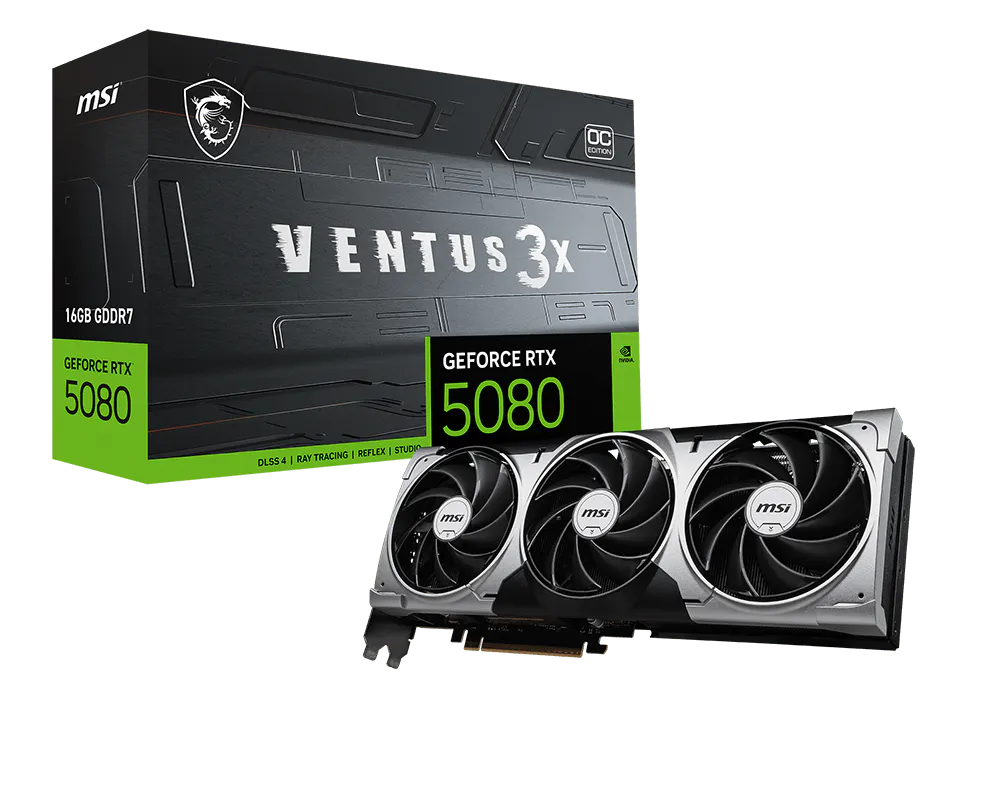
The RTX 5080 appears in the model table as a higher graphics tier to investigate for a heavier workload. It is not an automatic recommendation for every 5800X3D owner. Refer to NVIDIA’s official product specification and measured game or application results before paying the premium.
Price supporting changes before deciding that the graphics-only plan is affordable. A required PSU, different case or additional cooling can materially alter the comparison. If the whole upgrade costs much more than the shortlist’s middle options, identify exactly what benefit the extra spending buys at your target settings.
Generic model estimates, not cache or game benchmarks
| GPU | 1080p estimated FPS | 1440p estimated FPS | 4K estimated FPS |
|---|---|---|---|
| Radeon RX 9060 XT 16GB | 77 | 57 | 33 |
| Radeon RX 9070 | 119 | 89 | 52 |
| GeForce RTX 5070 | 116 | 86 | 50 |
| Radeon RX 9070 XT | 131 | 98 | 57 |
| GeForce RTX 5070 Ti | 136 | 102 | 59 |
| GeForce RTX 5080 | 140 | 113 | 66 |
The generic 1440p estimates are 98 FPS with the RX 9070 XT, 102 with the RTX 5070 Ti and 113 with the RTX 5080. These are outputs from the PairMyRig gaming index model with High preset and 32GB RAM. They do not prove that one card wins a specific game by the same amount.
Close or identical figures across different CPU pages are especially easy to overread. The model can assign a graphics limit without simulating the 5800X3D’s cache advantage in a particular engine. It does not establish equal 1% lows, equal latency or equal performance in crowded scenes. Use measured testing aligned with your game to answer those questions.
Keep AM4 when it meets the target
A platform replacement should solve a problem you can describe. If the existing CPU delivers the required responsiveness and frame-rate floor, a new board, memory and processor may add little useful value to the graphics upgrade. Retain the current platform in your cost comparison rather than treating it as having no remaining value.
If the CPU-heavy target is missed, verify frame caps, temperatures, memory configuration and background load first. Compare repeatable scenes with lower graphics demand. If the problem persists and measured CPU tests show a relevant improvement, then assess a complete newer platform. Do not use a single GPU utilisation percentage as the whole diagnosis.
The future upgrade planning guide explains how to avoid paying early for uncertain needs. Our GPU pairing hub offers other CPU starting points when a platform change is part of the plan.
Research method and installation checks
This shortlist is based on manufacturer information, editorial reasoning and calculator scenarios. We did not test these combinations in a hardware laboratory. The model does not measure individual games, driver behaviour, PCIe effects, ray tracing, generated frames or 1% lows. Read how the estimates work before relying on them.
Check the exact product, power connectors, case clearance, current price and seller terms. Use the PSU planner alongside the board manufacturer’s recommendation. A safe physical installation and a worthwhile performance upgrade are both necessary; the CPU and GPU names alone establish neither.
Explore another pairing scenario
Choose a different graphics card. Select High preset and 32GB system RAM to match the model table.
Frequently asked questions
Is the Ryzen 7 5800X3D too old for a modern high-end GPU?
Age alone does not answer that. Assess the actual game or application, frame-rate goal and installation requirements. Some CPU-heavy targets can justify a newer platform, while other workloads favour a GPU-only upgrade.
Do I need AM5 before buying an RX 9070 XT?
No universal requirement makes a working AM4 system unsuitable. Check board, firmware, power and case compatibility, then decide from the workload and relevant measured performance.
Is the RTX 5080 always a better purchase than a 5070 Ti?
A higher graphics tier does not automatically provide better value. Compare your workload, current offers and the cost of any supporting changes before paying for performance you may not need.
Did PairMyRig benchmark the 5800X3D’s cache advantage?
No. The table is calculated from a generic model. It does not replace measured testing of cache-sensitive games or provide frame-time benchmark data.