By Walter Jobs, Technology writer and editor. Manufacturer sources, competitor coverage and model scenarios reviewed 2 November 2026.
For a Core i5-11400F, compare an RX 6600 when a smaller upgrade is enough, an RX 9060 XT 16GB for a larger graphics step, and an RTX 5070 for a specific feature or demanding graphics plan. Keep the processor when it already reaches your CPU-heavy target. An owned LGA1200 machine can have useful life without replacing the entire platform.
As an Amazon Associate we earn from qualifying purchases. This does not change the price you pay, and a commission never affects what we recommend. Full disclosure.
The 11400F is not the same platform case as the 10400F. Although both use LGA1200, their CPU-side PCIe support differs, and the exact motherboard still matters. Confirm that configuration before interpreting a generic pairing table.
GPU shortlist by size and purpose
| Product | When to compare it | Before buying |
|---|---|---|
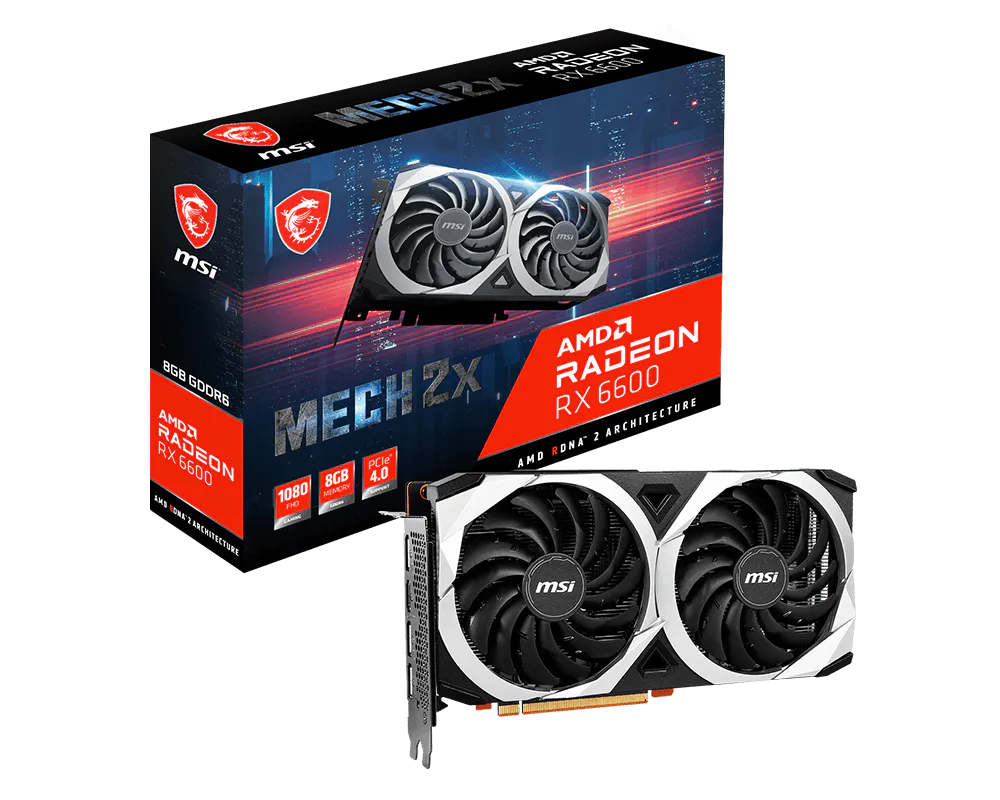 Radeon RX 6600 |
A sufficiently inexpensive step from a weak current GPU | Compare real improvement, condition and warranty. Find offerson Amazon |
| A larger graphics improvement while retaining LGA1200 | Verify the board link and actual CPU-heavy target. Find offerson Amazon |
|
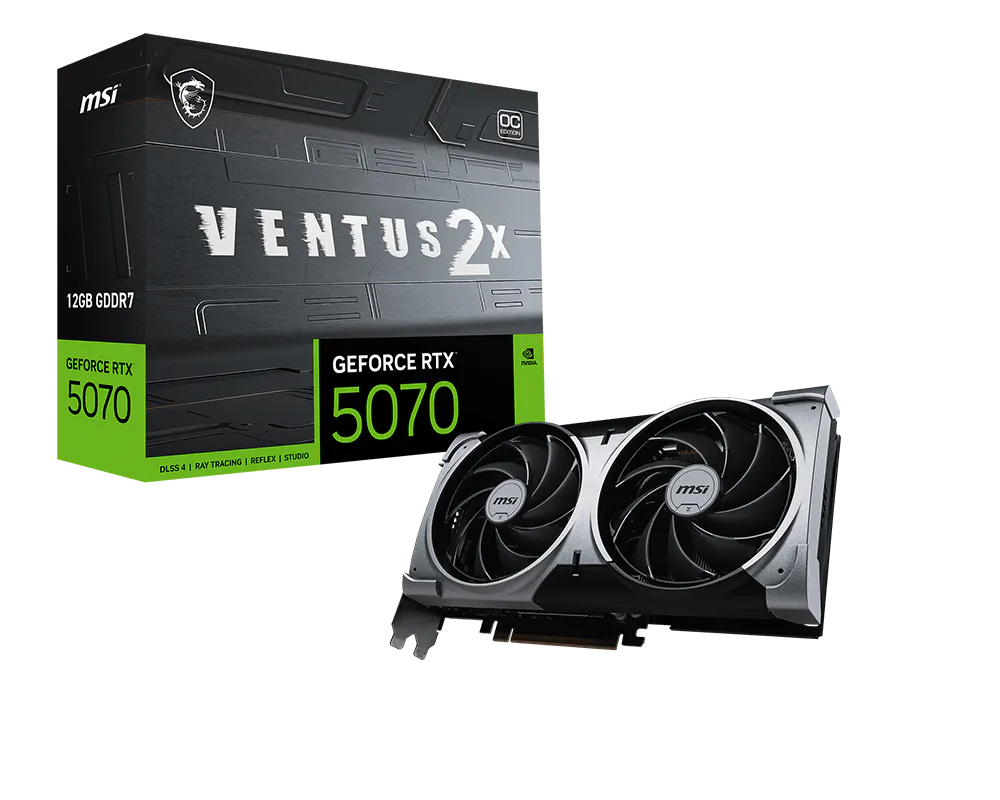 GeForce RTX 5070 |
A supported feature need or demanding graphics plan | Check exact game results before committing to the larger spend. Find offerson Amazon |
Compare the improvement over your current graphics card, not an unrelated baseline. The pictured retail coolers are examples; other boards can have different dimensions, connections and power guidance. A GPU family name does not approve the physical installation.
RX 6600: buy a meaningful low-cost step
The RX 6600 can be useful when the owned card is substantially weaker and the available offer makes the improvement worthwhile. Inspect condition, warranty and seller terms, particularly for a used board. A low asking price does not turn a small sidegrade into a good upgrade.
Check whether your target is already limited by the current CPU or by a graphics setting. A smaller graphics purchase can be sensible for a moderate goal, while someone already using a similar GPU may be better served by waiting for a larger step.
RX 9060 XT 16GB: retain the platform for a larger graphics gain
The 16GB RX 9060 XT is a candidate for a more substantial graphics improvement. Confirm the memory version rather than comparing an 8GB offer as though it were the same product. Capacity and processing performance need separate assessment.
A card intended to survive a later platform upgrade can also fit a staged plan. Buy it first when the present GPU is the demonstrated shortfall, then assess the result before committing to a new CPU. Do not turn a possible future dependency into an automatic second purchase.
RTX 5070: require a clear reason for the larger spend
The standard RTX 5070 is worth comparing for a supported NVIDIA feature, application path or heavier graphics workload. Keep it distinct from the Ti. Check actual software support and measured game behaviour rather than deciding from the brand alone.
For a CPU-heavy high-refresh target, investigate the difficult scenes before assuming that a stronger GPU solves them. A larger card can be compatible and still provide too little benefit at the desired target. Our separate 5070 CPU guide explains the wider platform comparison.
PCIe 4.0 support still depends on the installed board
| Manufacturer field | Published reference |
|---|---|
| CPU cores / threads | 6 / 12 |
| Socket | LGA1200 |
| Official memory support | DDR4-3200 |
| CPU PCIe generation | PCIe 4.0; actual board support still matters |
| TDP | 65 W; not a measurement of whole-PC draw |
The 11400F’s CPU-side PCIe 4.0 capability does not establish the configuration of every LGA1200 motherboard. Read the manual for the exact board, BIOS, main graphics slot and any device sharing. A physically long secondary slot may have a narrower electrical connection.
Do not apply a blanket PCIe 3.0 assumption from the 10400F pairing guide. Equally, do not promise Gen 4 operation without checking the actual system. CPU capability and complete-board support are related checks, not interchangeable facts.
Is a same-socket CPU upgrade worthwhile?
A supported higher-tier LGA1200 CPU can deserve investigation, but the socket alone does not make it good value. Check the vendor CPU list, firmware procedure, cooling and the price of the actual offer. Compare relevant measured gains against a complete newer-platform quote.
A used top-tier processor at an inflated price may be less attractive than keeping the 11400F or changing platforms later. Avoid buying by the highest model number that fits. The useful measure is how much the whole upgrade improves the workload you care about.
Choose the next purchase from the shortfall
| Your situation | Best next comparison | Do not assume |
|---|---|---|
| CPU reaches the goal but graphics settings do not | Compare a GPU-only improvement | The entire LGA1200 platform is unsuitable. |
| A same-socket premium CPU is expensive | Compare measured gain and complete newer-platform cost | The highest compatible model is the best-value upgrade. |
| Gen 4 operation is uncertain | Check exact board, firmware and main-slot routing | CPU capability proves every board runs that connection. |
Use real current quotes, with PSU, cooling and case changes included where needed. Reusing the board and DDR4 can be a saving, but only if the resulting system meets the actual target.
Tracked GPU scenarios with the same CPU
| GPU | 1080p estimated FPS | 1440p estimated FPS | 4K estimated FPS |
|---|---|---|---|
| Radeon RX 6600 | 50 | 37 | 14 |
| GeForce RTX 5060 | 70 | 52 | 20 |
| Radeon RX 9060 XT 16GB | 77 | 57 | 33 |
| GeForce RTX 5070 | 114 | 86 | 50 |
| Radeon RX 9070 XT | 118 | 97 | 57 |
| GeForce RTX 5070 Ti | 118 | 101 | 59 |
The generic 1440p High estimates are 37 FPS with the RX 6600, 57 with the RX 9060 XT 16GB and 86 with the RTX 5070. These are calculated index outputs, not measured game results or a universal value ranking.
The wider table includes larger graphics tiers to illustrate model behaviour rather than set a fixed ceiling. The engine does not simulate PCIe transfers, motherboard power settings, memory tuning, driver behaviour or individual frame-time tails. Seek measured results matching the game before making a large purchase.
Check memory, caps and thermals before blaming the GPU
Choose a repeatable difficult scene and note the desired settings and frame-rate floor. Confirm caps, temperatures, background activity and the installed memory configuration. Compare the scene with lower graphics demand, keeping the game workload as similar as possible.
A large improvement can point toward graphics work. If the shortfall remains, investigate CPU-heavy behaviour and configuration before ordering a larger card. The CPU’s overall utilisation figure alone may not reveal a limiting game thread. Our pairing guide explains the process.
Installation and research method
The F processor has no integrated graphics for display troubleshooting without the discrete card. Also verify the exact GPU’s case clearance, power connectors and PSU guidance. Use the power planner alongside the manufacturers’ instructions.
This is an editorial shortlist using checked specifications and PairMyRig calculations. We did not run these combinations in a laboratory. The model uses generic gaming, High preset and 32GB RAM; measured named-game FPS, 1% lows, PCIe penalties, ray tracing and generated frames are outside the table.
Primary reference: official Intel product specifications.
Read how the estimates work for the limitations, or return to the GPU pairing hub to assess another processor.
Explore another pairing scenario
Choose another graphics card. Select High preset and 32GB system RAM to match the table, and confirm the memory version of the selected GPU.
Frequently asked questions
Does the 11400F support PCIe 4.0?
Intel lists that CPU capability. The exact motherboard, firmware and slot configuration still need checking before assuming the installed link operates at Gen 4.
Can I use the 10400F recommendations unchanged?
They share some upgrade considerations, but their CPU-side PCIe support differs. Assess the exact processor and board rather than copying a socket-wide assumption.
Should I buy the most powerful LGA1200 processor?
Only if the supported change improves the relevant workload enough at a sensible whole-upgrade price. Compare measured results, cooling needs and a newer-platform alternative.
Will a bigger GPU fix a CPU-heavy game?
It may leave the limiting workload unchanged. Diagnose the difficult scene and configuration before deciding which component deserves the next spend.